The Arizona Vacant Property Challenge
Vacant properties in Arizona face environmental pressures that are fundamentally different from those in other states. The intense summer heat, monsoon storms, and low humidity create a perfect storm of damage potential: interior materials warp and crack, pest infestations accelerate, landscaping dies without irrigation, and pool/water features become liabilities overnight.
For property owners, real estate investors, and asset managers selling vacant properties in Arizona, preparation is not optional—it directly impacts sale price, time on market, and buyer confidence. A properly prepared vacant property can sell 20-30% faster and command higher offer prices than a neglected one.
This guide covers everything you need to know to prepare a vacant Arizona property for sale, from the initial cleanout through final staging, with special attention to the climate challenges unique to our state.
Phase 1: Initial Assessment and Cleanout
Before any cosmetic work, you need a clear picture of what you're working with. The cleanout phase removes debris, abandoned items, and establishes a baseline for what repairs are needed.
Professional Walkthrough: Hire a property preservation professional to conduct a detailed assessment. Document everything with photos and notes: condition of appliances, plumbing, electrical systems, roof condition, foundation cracks, pest evidence, and water stains. This assessment determines your repair priorities and helps you understand true property condition.
Complete Debris Removal: Remove all personal items, trash, abandoned furniture, and debris. In Arizona's heat, decomposing organic matter accelerates pest infestations and creates odor issues that are extremely difficult to remedy. Every item left behind compounds problems. Professional cleanout crews also responsibly donate usable items and recycle materials, reducing landfill waste.
Biohazard Remediation (if needed): Some properties require specialized cleaning for mold, pet waste, or other biohazards. This must be handled by certified professionals who follow EPA guidelines. Buyers will discover this during inspection—address it proactively or it will kill the deal.
Post-Cleanout Deep Clean: Once debris is removed, perform a professional deep clean of every interior surface. Vacuum all carpets, mop hard floors, clean kitchen and bathroom fixtures, wipe down walls and cabinets, and address any lingering odors with appropriate treatments. A clean property is a marketable property.
Phase 2: Critical Repairs and Securing
After cleanout, address structural and safety issues before cosmetic improvements. Buyers and inspectors will prioritize these—ignored problems become deal-killers.
HVAC System Check: In Arizona, HVAC systems are critical. A non-functional air conditioning system in a vacant property allows interior temperatures to exceed 120°F, warping wood, cracking drywall, and accelerating mold growth. Have the system professionally serviced: replace filters, check refrigerant levels, test all functions. Run the AC periodically during showings to demonstrate functionality.
Plumbing Inspection and Repair: Check for leaks, corrosion, and damage. Run water through all faucets and drains. In Arizona's dry climate, P-traps can dry out, allowing sewer gases to enter—this is easily fixed by running water. Address any visible leaks immediately. Non-functioning plumbing is a major turnoff for buyers.
Roof Inspection: The Arizona sun is unforgiving on roofing materials. Have a professional inspect for missing shingles, deterioration, and weathering. While full replacement may be expensive, patching obvious damage is essential. Many buyers make offers contingent on roof condition—resolve known issues upfront.
Secure All Entry Points: Install new deadbolts on all exterior doors, re-key as needed, and ensure all locks function properly. Secure ground-level windows and sliding glass doors. This meets Fannie Mae, Freddie Mac, and HUD security requirements and protects against vandalism and squatters while the property is listed.
Electrical System Check: Verify the breaker panel works, test outlets and switches in each room, ensure any visible damage is repaired. Non-functioning electrical is a major safety and liability concern.
Phase 3: Arizona Climate-Specific Preparation
This is where you address the unique challenges of Arizona's environment.
Monsoon Season Protection (June-September): Arizona monsoons bring sudden, intense rainfall that can cause serious water damage. Inspect gutters and downspouts for debris and damage. Clean them thoroughly and ensure they direct water at least 4-6 feet away from the foundation. Look for foundation cracks or exterior wall damage that could allow water penetration. Address roof leaks immediately—a small leak becomes a major issue after one monsoon.
Summer Heat Mitigation (May-September): The Arizona summer heat reaches 110-120°F+. Address several critical items: Ensure HVAC is functional and run periodically to prevent interior damage. Check weatherstripping on all doors and windows—gaps allow hot air in and make the property feel uncomfortable during showings. Consider solar window film on south and west-facing windows to reduce interior heat and glare. Check caulking around windows and doors for cracking. Replace damaged weatherstripping.
Pest Prevention: Arizona's warm climate supports year-round pest activity—scorpions, spiders, termites, cockroaches, and rodents. Have a pest control professional inspect and treat the property. This should be documented and included in your seller's disclosures. A property with a history of pest issues will face buyer skepticism no matter how well it shows—proactive treatment demonstrates you've addressed the problem responsibly.
Water Feature Management: If the property has a pool or fountain, it must be properly maintained or drained. A neglected pool becomes a mosquito breeding ground, pest habitat, and safety liability. Either: maintain it in pristine condition as an asset, or drain it completely and clean the basin. An in-between state—empty or algae-filled—is unattractive and problematic.
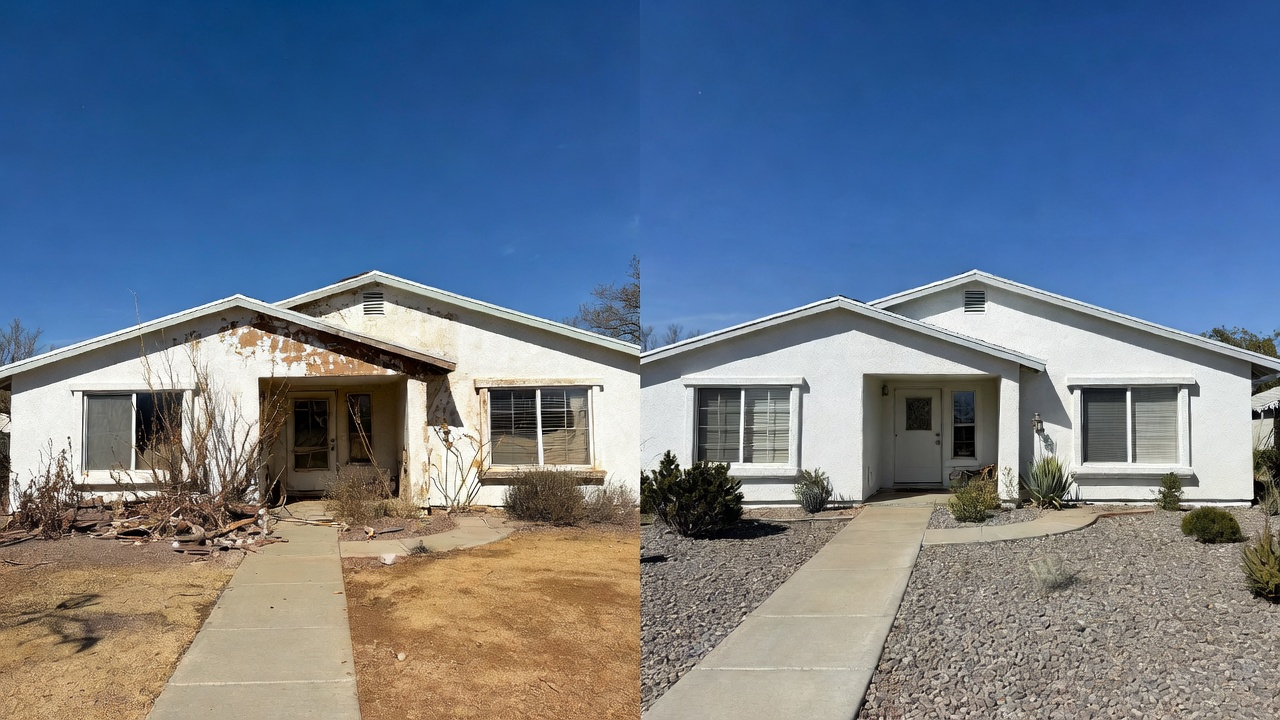
Phase 4: Landscaping and Curb Appeal in the Arizona Desert
Arizona's desert landscaping requires different aesthetics than other parts of the country. Modern desert-adjacent buyers expect thoughtful, water-efficient landscaping that works with the climate rather than against it.
Remove Dead Vegetation: Dead shrubs, trees, and grass are the first thing buyers notice and signal neglect. Remove entirely and replace or leave the bed clear for replanting.
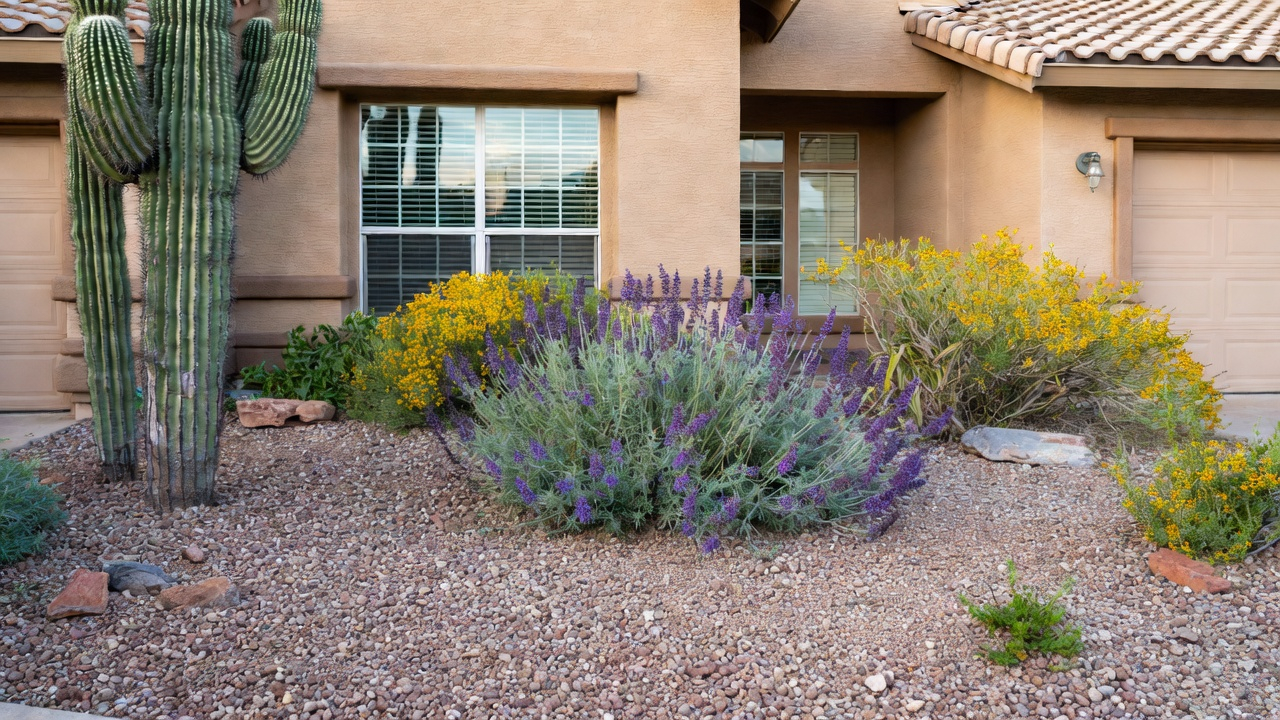
Establish Professional Landscaping: You don't need an elaborate landscape, but you need a clean, intentional one. Consider: native and adapted plants (palo verde, desert rose, lantana, esperanza, creosote, various cacti and succulents), well-maintained mulch or rock in planting beds, healthy lawn if appropriate for the property, and architectural accent plants or specimen trees for visual interest.
Irrigation System: If the property has irrigation, have it professionally serviced: replace broken heads and lines, reprogram for current season and plant needs, test all zones. A property with non-functional irrigation will develop dead spots and look neglected within weeks. Either maintain it working or remove it and explain the decision.
Hardscape Maintenance: Power wash driveways, patios, and walkways. Repair or replace damaged pavers. Pressure-washed surfaces immediately improve curb appeal. Broken or missing pavers signal poor maintenance—fix them.
Front Entry Appeal: Paint the front door if it's worn. Add inexpensive landscaping plants in front-entry beds. Ensure the house number is visible and modern-looking. These small touches disproportionately impact buyer first impressions.
Phase 5: Interior Cosmetic Updates and Staging
After infrastructure is solid, focus on making the interior appealing to buyers.
Paint: Fresh, neutral paint (whites, light grays, warm beiges) transforms a property. Paint all interior walls and ceilings. Consider painting the front door and garage door for visual impact. Paint is one of the highest ROI improvements.
Flooring: Stained or damaged flooring turns buyers away. Deep clean all hard floors. For carpet, professional cleaning can restore appearance—or budget for replacement in high-visibility areas. Flooring is often the second thing buyers notice after paint.
Lighting: Ensure all light fixtures work. In empty homes, lighting can feel dim and uninviting. Replace any burnt-out bulbs and consider upgrading dim fixtures to brighter, more attractive options. Open all blinds and curtains during showings to maximize natural light.
Bathroom and Kitchen: These areas sell homes. Deep clean both thoroughly. Consider inexpensive updates: new faucet aerators, new cabinet hardware, new mirrors, caulk around tubs and showers. If you budget for one remodel, prioritize the kitchen.
Minimal Staging: A completely empty house feels cold and impersonal. Consider light staging: 1-2 furniture pieces in main living areas, neutral area rugs, minimal décor. This helps buyers envision the space without overwhelming it.
Phase 6: Documentation and Marketing
All preparation work should be documented and marketed effectively.
Professional Photography: Hire a professional photographer who specializes in real estate. Quality photos are essential—most buyers start their search online. Photos should show the property in its best light, with proper staging and daytime exterior shots.
Work Documentation: Keep records of all work performed: cleanout completion, repairs made, pest treatment, HVAC service, landscaping improvements. Provide these to your agent and disclose them to buyers. This demonstrates you've maintained the property responsibly and builds confidence.
Inspection Preparation: Have the property professionally inspected before listing. This identifies any remaining issues before buyers do. Address critical items; minor issues can be disclosed and negotiated. A pre-inspection removes surprises that kill deals.
Working with Property Preservation Professionals
The preparation process is complex and time-consuming. Many property owners and investors partner with professional property preservation companies who handle cleanout, repairs, landscaping, and documentation.
What to Look For: Bonded and insured contractors, experience with vacant properties, familiarity with Arizona climate challenges, professional photo documentation, references from other property owners or asset managers, transparent pricing with no hidden fees.
When to Hire Help: If the property requires significant work, is located far from your home, or you lack time to coordinate contractors, professional services pay for themselves through faster sales and higher prices. This is especially true for properties in poor condition or those requiring specialized remediation.
Cost Expectations
Preparation costs vary dramatically based on property condition and location, but here's a realistic range for a typical 2-3 bedroom Arizona home:
Minimal Preparation (clean and secure): $2,500-$5,000 for cleanout, deep clean, basic repairs, and securing.
Moderate Preparation (includes repairs and landscaping): $5,000-$15,000 adding roof repairs, HVAC service, plumbing fixes, fresh paint, and landscaping.
Comprehensive Preparation (significant repairs and staging): $15,000-$40,000+ for major repairs, bathroom/kitchen updates, professional landscaping, and staging.
Consider these costs as an investment. A properly prepared home typically sells 20-30% faster and commands 10-15% higher prices—easily justifying the preparation expenditure.
Final Checklist Before Listing
- Professional assessment and walkthrough completed
- All debris and abandoned items removed
- Property deep cleaned
- HVAC system serviced and tested
- Plumbing checked and repaired
- All locks working, entry points secured
- Roof inspected and damage addressed
- Foundation and exterior checked for damage
- Pest control treatment completed and documented
- Landscaping clean and intentional
- All interior paint fresh and neutral
- Floors cleaned or replaced
- All light fixtures working
- Bathrooms and kitchen thoroughly cleaned
- Professional photos taken
- Pre-listing inspection completed
- All work documented for disclosure
Ready to Sell
Selling a vacant property in Arizona is challenging, but a well-prepared home becomes a competitive asset. By addressing the unique climate challenges our state presents—heat, moisture, pests, and landscaping requirements—you transform a liability into a marketable property.
The process requires attention to detail, professional expertise, and strategic planning. Whether you manage this yourself or partner with professionals, the investment in preparation pays dividends in faster sales and better offers.
ProClear Solutions specializes in preparing Arizona vacant properties for sale. From comprehensive cleanouts and repairs to landscaping and documentation, we handle the entire preparation process. Our team understands the Arizona climate challenges and delivers results that help properties sell faster and stronger.
Ready to prepare your vacant Arizona property for sale? Contact ProClear Solutions for a free assessment and quote. We're bonded, insured, and experienced in every facet of vacant property preparation across Arizona—from Tucson to Phoenix, Flagstaff to Sierra Vista. Let's get your property market-ready.
Call (520) 729-2974 or email contact@proclearsolutionsaz.com today.
Equipment we rely on
Affiliate links — we may earn a commission from purchases at no extra cost to you. We only list gear we would actually put on a job.
- LEPOWER Solar LED Security Light, 1600 lm, Motion Sensor — No wiring, which matters when the power is shut off.
- Ironclad Ranchworx Leather Gloves — Catclaw and mesquite thorns go straight through fabric gloves.